







Making Love vs. Fucking

Making Love vs. Having SexTenderness, Passion & Everything Between
Making love or having sex? The real difference between tenderness and passion, why healthy couples want both, and how to move between them.
✨ Featured Pick
Key takeaways
Making love vs having sex isn't about which one is right — it's about intention and connection, and the happiest couples enjoy the full range between them.
💕 Making Love vs Having Sex: What’s the Difference?
Couples often use “making love” and “having sex” to mean the same thing — but most people feel the difference even when they can’t quite name it. The distinction isn’t about deciding which one is “right.” Both are healthy, both have their place, and the happiest couples tend to enjoy the full range between them.
The real difference between making love and having sex is intention and emotional connection, not technique. One is slow, tender, and deeply connected; the other can be passionate, playful, and driven by desire. Neither is better — and knowing what you and your partner want in a given moment is the real key to a satisfying intimate life.
🧡 What “Making Love” Usually Means
Making love tends to describe intimacy that’s slow, emotionally present, and focused on connection as much as pleasure. It often involves lots of eye contact, unhurried touch, and a feeling of closeness that lingers afterward. The goal isn’t just physical release — it’s feeling seen, wanted, and bonded to your partner.
Emotionally, this is where making love lives — it’s the version couples reach for when they want to feel close, reconnect after time apart, or simply savor each other without any rush.
What tenderness tends to define
🔥 What “Having Sex” Can Look Like
Where making love is slow and tender, having sex sits at the other end of the spectrum — more physical, spontaneous, and driven by raw desire. It can be fast, playful, and thrilling — a release of tension and an expression of pure wanting. For many couples this is where excitement, novelty, and a little edge live.
This side of intimacy is just as healthy and just as important. In fact, couples who only ever focus on making love can find their sex life becoming predictable. A dose of passion and spontaneity keeps desire alive and reminds you both that attraction is still very much there.
⚖ Why You Want Both in a Relationship
Here’s the trap couples fall into: believing they have to choose. In reality, a fulfilling intimate life moves fluidly between making love and passionate sex depending on mood, energy, and circumstance.
Some nights call for slow connection; others call for heat and play. Both are expressions of the same relationship.
Problems usually start when a couple gets stuck at one end — either making love becomes so routine it loses its spark, or sex becomes so purely physical that emotional closeness fades. The fix is variety, and variety starts with a simple conversation about what each of you enjoys and craves.
💫 How to Move Between Them
You don’t have to overthink this. A few small habits help couples move easily between making love and something more spontaneous:
- Name what you want. “I just want to feel close tonight” and “I want you right now” are both perfect things to say. Desire loves clarity.
- Set the scene. Slow nights of making love benefit from candles, music, and time; spontaneous, passionate ones thrive on impulse — lean into whichever mood you’re in.
- Break routine on purpose. If everything has become slow and predictable, introduce novelty. If it’s become purely physical, slow down and add eye contact and tenderness.
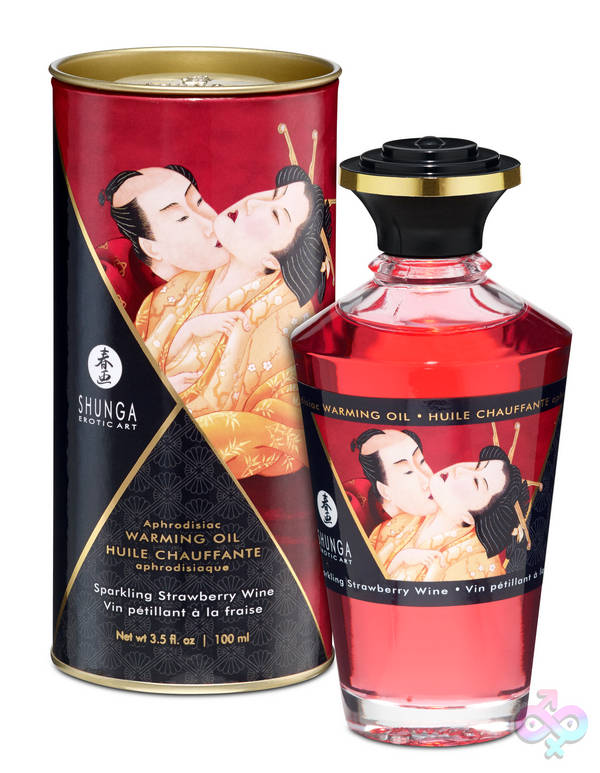
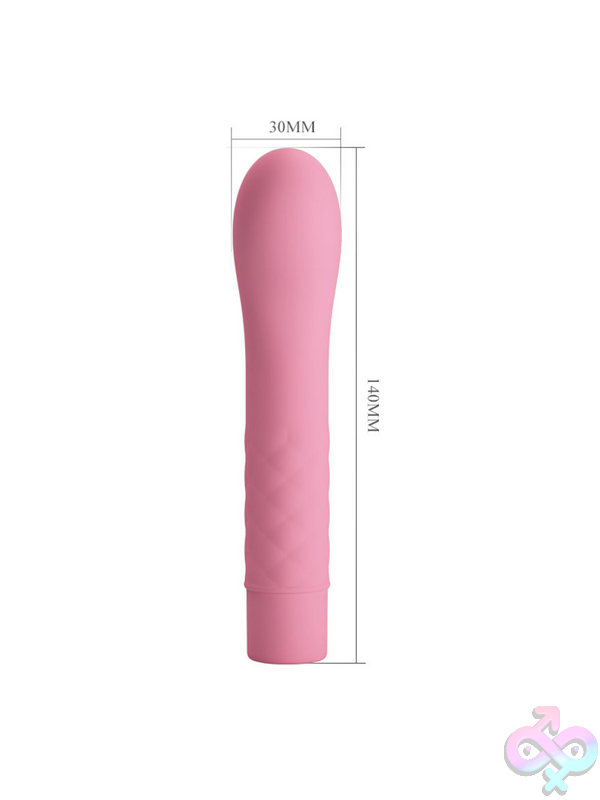
- Use tools to shift the mood. Sensual massage oil sets the scene for making love; a new toy or a little playful adventure invites passion. Small changes move the needle.
🛍️ Set Any Mood, Discreetly
Whether tonight is about making love or something more spontaneous and playful, a few thoughtful extras help. These couple-friendly, body-safe picks are a gentle place to start — everything ships in a plain brown box.

💬 The Real Secret: Talk About It
Underneath all of this is one skill that matters more than any technique: communication. Couples who can comfortably say what they’re in the mood for — making love one night, playful passion the next — almost never get stuck. According to guidance from the NHS, open conversation about desire and needs is one of the most effective ways to keep a couple’s sex life healthy over the long term.
So talk. Not clinically, not as a chore — just honestly, and with a little warmth. The couples who keep both making love and passion alive are simply the ones who never stopped telling each other what they want.
❓ Frequently Asked Questions
Is making love better than having sex?
What's the actual difference between making love and having sex?
Is it normal to want passionate sex, not just romance?
How do we keep both alive in a long relationship?
We feel stuck in a rut. What helps?
Explore, discreetly
However you want to connect tonight — everything ships in a plain brown box.
Explore Couples Pleasure →



 Glass
Glass Rabbit Style
 Rechargeable
 Rotating
 Pulsating
 Suction
 Suction-Cup-Base
 Thrusting
 Vibrating
 Warming
 Waterproof

 Banana
 Cherry
 Chocolate
 Passion Fruit
 Peach
Peach Strawberry
 Watermelon
 Lingerie
 Rabbits
 Swimwear
 Female Dolls
 Lingerie
 Bath and Body
 Double Penetration
 Furniture
 Make Your Own
 Oral Sex
 Romance
 Sex Machines
 Vibrating Panties
 Anal Supplies
 Anal Expanders
 Anal Kits
 Crossdressing
 Nipple Suckers
 Sexy Teddy Bear
 Batteries
 Condoms
 Lubricants
 Sexual Enhancement
 Adult Candy
 Bachelor
 Bachelorette
 Board
Board Cards
Cards Dice
Dice Gag Gifts
 Party Games