







How Effective Are Condoms?
How Effective Are Condoms?Condom Effectiveness, Explained
Perfect-use vs typical-use rates, correct use, materials and fit — clear and judgment-free.
✨ Featured Pick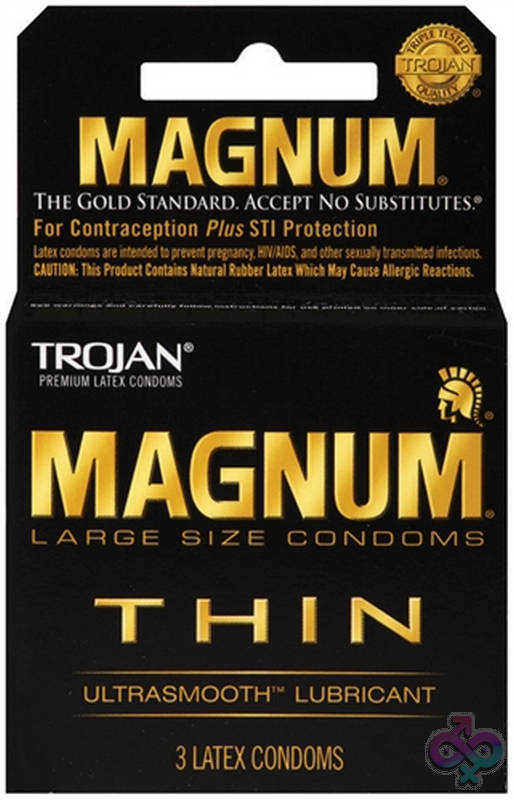
Key takeaways
Condom effectiveness comes down to one simple idea: used correctly and consistently, condoms are highly effective — and a few easy habits close the gap between the numbers.
📊 Condom Effectiveness in Everyday Life
When people ask about condom effectiveness, the answer depends on whether you mean perfect use or typical use. According to the World Health Organization, condoms are up to 98% effective at preventing pregnancy when used correctly and consistently.
In everyday life, small mistakes are common, so real-world condom effectiveness is naturally a bit lower. The gap between those two numbers exists because perfect use reflects flawless technique every time, while typical use accounts for human error like late application or slippage.
Think of 98% as a goal you reach through good habits: every correct use nudges your real-world condom effectiveness closer to that ceiling.
✅ How to Get the Most Protection
Correct, consistent use is what moves condom effectiveness toward that 98% figure. A few habits matter most, and they are refreshingly easy to build.
- Check before you open — confirm the expiration date and look for an intact air bubble in the wrapper.
- Open with care — use your fingers, never teeth or scissors, so the material stays intact.
- Roll it on early — apply before any contact, not partway through.
- Use it once — a fresh condom every act, with a water- or silicone-based lubricant to reduce friction.
🤝 If a Condom Breaks or Slips
🧪 Materials & STI Protection
Most condoms are latex — strong, stretchy, and trusted. For latex sensitivities, polyurethane and polyisoprene are proven alternatives with comparable condom effectiveness. Condoms are also one of the few methods that guard against both pregnancy and many STIs at once, which MedlinePlus (NIH) explains works by creating a physical barrier.
| Material | Blocks STIs | Prevents pregnancy | Best for |
|---|---|---|---|
| Latex | Yes | Yes | Most people; widely available |
| Polyurethane | Yes | Yes | Latex allergies; thinner feel |
| Polyisoprene | Yes | Yes | Latex allergies; softer, stretchy |
| Lambskin | No | Yes | Pregnancy only — not STIs |
🛍️ Explore Condoms & Wellness
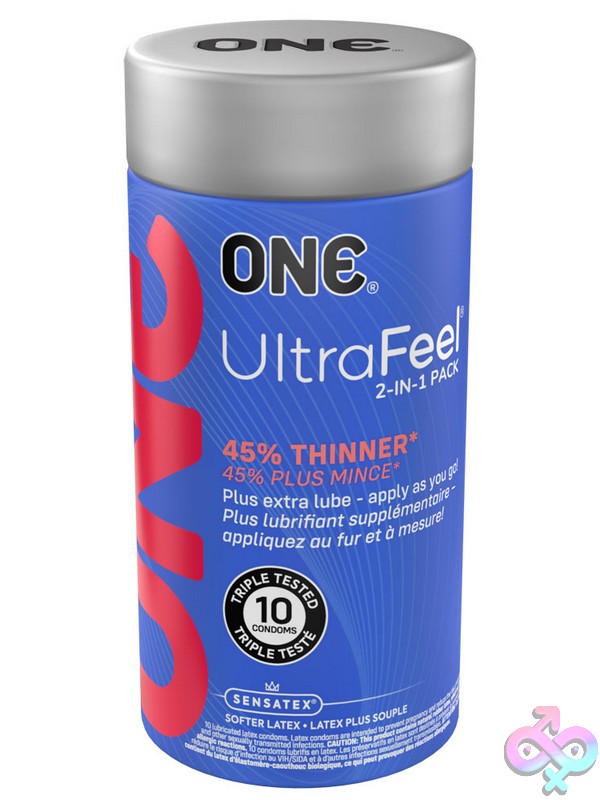
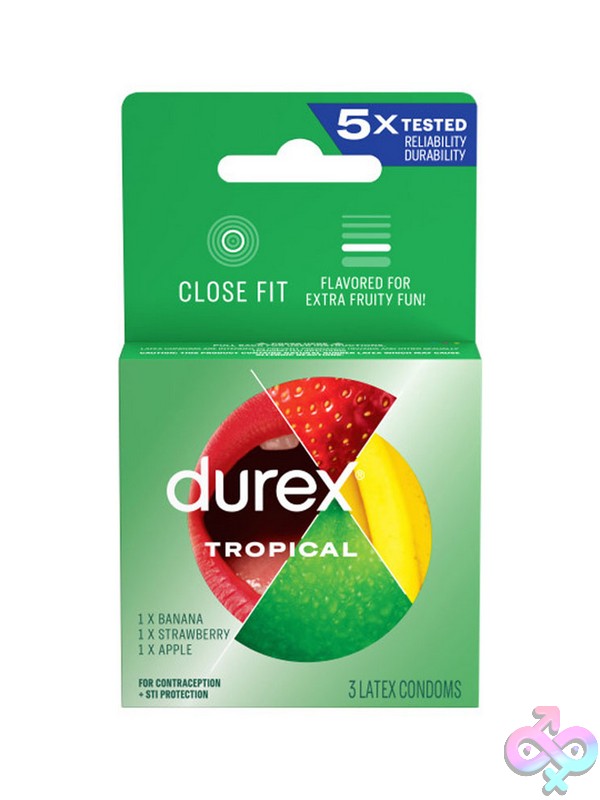
Every order ships in a plain brown box. Whichever you choose, the same rules keep condom effectiveness high — check the date, use one per act, and pair with a water- or silicone-based lubricant.

📏 Why Fit Affects Reliability
A condom that fits well is far more reliable than one that does not — and fit is one of the most overlooked drivers of condom effectiveness. Research summarized by health experts shows the right size reduces breakage and slippage: too tight can tear, too loose can slide off.
If you have had a condom fail before, fit is often the hidden reason. A quick check of length and girth can point you toward a snugger or roomier style and restore your confidence in condom effectiveness.
❓ Frequently Asked Questions
How effective are condoms at preventing pregnancy?
What lowers condom effectiveness?
Do condoms protect against STIs?
Are two condoms more effective than one?
Does condom size affect effectiveness?
Can I use any lubricant with condoms?
Explore, discreetly
Now you know what really drives condom effectiveness — everything you need ships in a plain brown box.
Shop Condoms →


 Glass
Glass Rabbit Style
 Rechargeable
 Rotating
 Pulsating
 Suction
 Suction-Cup-Base
 Thrusting
 Vibrating
 Warming
 Waterproof

 Banana
 Cherry
 Chocolate
 Passion Fruit
 Peach
Peach Strawberry
 Watermelon
 Lingerie
 Rabbits
 Swimwear
 Female Dolls
 Lingerie
 Bath and Body
 Double Penetration
 Furniture
 Make Your Own
 Oral Sex
 Romance
 Sex Machines
 Vibrating Panties
 Anal Supplies
 Anal Expanders
 Anal Kits
 Crossdressing
 Nipple Suckers
 Sexy Teddy Bear
 Batteries
 Condoms
 Lubricants
 Sexual Enhancement
 Adult Candy
 Bachelor
 Bachelorette
 Board
Board Cards
Cards Dice
Dice Gag Gifts
 Party Games