







Guide to Bondage Sex

Bondage SexA Safe Beginner's Guide
How to start bondage safely: consent, safewords, soft restraints, trust, and gentle aftercare.
✨ Featured Pick
Key takeaways
If bondage sex makes you curious and a little nervous all at once, you are in exactly the right place. Feeling unsure the first time you explore restraint, blindfolds, or giving up a little control is completely normal, and it doesn't mean anything is wrong.
This judgment-free guide covers what bondage sex actually involves, how to talk about it with a partner, and the simple safety habits that let you relax and enjoy it. Remember, it's only freaky the first time.
✨ Bondage Sex: What to Know First
Curious about bondage but a little nervous? That mix of excitement and hesitation is completely normal for first-timers, and there is nothing to be embarrassed about.
Bondage sex is simply consensual play built on restraint, communication, and trust, explored at whatever pace feels good to you. In our judgment-free zone, we will help you start slow and comfortable.
The golden rule never changes: every scene starts with clear, ongoing consent and a shared safeword you both respect.
• What Bondage Sex Actually Is
At its heart, bondage sex is intimate play built around restraint and consensual power exchange. One partner voluntarily gives up a measure of physical control — wrists gently held overhead, a blindfold, or soft cuffs — while the other takes on a guiding, attentive role. Nothing about it has to be intense or extreme.
Talk first
Before any restraint comes out, talk openly about what excites you and what is completely off the table.
Safeword always
Agree on a clear signal to slow down or stop, and honor it instantly, every single time.
Aftercare
Reconnect afterward with cuddling, water, and warmth so both partners feel cared for.
Bondage sex is one thread within the broader world often called BDSM, which spans restraint, sensation, and role-based play. The key thing to understand is that it is collaborative — every scene is something you build together, at a pace that feels good to both of you.
• Why People Enjoy Bondage Sex
People are drawn to bondage sex for many different reasons, and there is no single “right” one. For some, the appeal is heightened anticipation: when you can’t move freely or see what’s coming, ordinary touch becomes electric and small sensations feel much larger.
For others, the draw is emotional. Handing over control, or being trusted with it, can create a deep sense of closeness and focus.
Many couples find the honest conversations bondage sex requires spill over into the rest of their relationship, building communication and trust. Whatever pulls you in, curiosity is a perfectly good reason to explore.
• Consent and Communication Come First
Before any restraint comes out, the real foundation of bondage sex is an open, honest conversation. A helpful phrase to remember is “safe, sane, and consensual” — play should keep everyone physically safe, be approached with clear judgment, and be fully agreed to by everyone involved. Consent isn’t a one-time checkbox, either; it can be adjusted or withdrawn at any point, and respecting that only strengthens the connection.
Negotiating limits
Talk through what sounds exciting, what you’re curious about, and what is completely off the table before you begin. Be specific about touch, positions, and how restrained you want to feel. There are no wrong answers, and naming a limit is a gift to your partner, not a disappointment.
Choosing a safeword
A safeword is a clear signal to slow down or stop, and it should be something you’d never say by accident. Many people use a simple traffic-light system:
- Green — everything feels good, keep going.
- Yellow — ease up or pause and check in.
- Red — stop right away.
If a partner can’t speak clearly, agree on a non-verbal signal too, such as dropping a held object or a distinct tap. A safeword is honored instantly, every single time.
• Starting Soft: Gentle Ways to Begin
You don’t need rope skills or elaborate gear to try bondage sex. The gentlest tools are often the most rewarding for first-timers. Start with something simple and low-pressure, then build from there over several sessions as your comfort grows.
- Blindfolds — an easy, low-risk way to heighten anticipation and sharpen every other sensation.
- Padded cuffs — soft, adjustable restraints with a quick-release, ideal for a first experience.
- Silk ties or fabric restraints — gentle on the skin and easy to loosen quickly.
- Under-bed restraint systems — light, comfortable restraint without any knot-tying know-how.
| Restraint | Feel | Good for |
|---|---|---|
| Soft padded cuffs | Soft and adjustable with a quick-release | First-timers to bondage sex who want restraints that go on and off easily |
| Silk or fabric ties | Gentle on the skin and easy to loosen quickly | Anyone wanting a softer, low-pressure start |
| Under-bed restraint system | Light, comfortable restraint with no knots | Beginners with no knot-tying know-how |
It helps to practice putting on and removing a restraint before adding anything sexual, so you both feel confident with how it works. Skip rigid metal restraints and complex rope until you have more experience.
• Trust and the Bondage Headspace
A lot of what makes bondage sex special happens in the mind. The person being restrained often settles into a relaxed, focused headspace, while the guiding partner stays attentive and present. Both roles depend entirely on trust, which is built slowly through small, positive experiences.
Stay connected throughout. Check in gently, watch your partner’s body language, and treat every “yellow” or “red” as valuable information rather than a mood-killer. Going slowly isn’t a limitation in bondage sex — it’s what lets both of you let go and enjoy the moment fully.
A gentle first bondage sex scene can follow a simple flow:
- Talk it through first, sharing what excites you, what you're curious about, and what is completely off the table.
- Agree on a safeword, such as the green, yellow, and red traffic-light system, before anything begins.
- Start with a soft restraint like a blindfold or padded cuffs with a quick-release, nothing rigid.
- Check in as you go, watching body language and treating every yellow or red as valuable information.
- Finish with aftercare, reconnecting through cuddling, water, and warmth, then talk about what you both loved.
• Aftercare: The Part That's Easy to Forget
Aftercare is the gentle wind-down after a scene ends, and it matters just as much as everything before it. Emotions can run high during bondage sex, so taking time to reconnect helps both partners feel safe and cared for.
Good aftercare often looks like cuddling, talking softly, sharing water, and wrapping up in a warm blanket. Check each other over for tender spots, and offer reassurance.
Later, a relaxed chat about what you both loved and what you’d tweak makes each session better than the last. Many couples find this quiet closeness is one of the most bonding parts of bondage sex.
• Safety Basics Every Beginner Should Know
A few simple habits keep bondage sex comfortable and worry-free. None of it is complicated, and it quickly becomes second nature.
- Watch circulation. Restraints should be snug, never tight. Check in regularly, and if you notice numbness, tingling, a change in skin color, or coolness in the hands or feet, loosen or remove the restraint right away. The restrained partner should be able to wiggle fingers and toes.
- Never leave a restrained partner alone. Someone who can't move freely should always have an attentive partner nearby. Stay in the room, stay present.
- Keep safety scissors within reach. Blunt-tipped safety shears let you free a partner instantly if anything feels wrong. Keep any keys or quick-release mechanisms close by too.
- Choose body-safe materials. Look for quality restraints made from body-safe materials, and clean and inspect your gear after each use.
If something ever feels off during bondage sex, the answer is always the same: stop, release, and take care of each other first. There is no prize for pushing through discomfort.
❓ Common Questions
Is bondage sex safe for beginners?
Yes, when you keep it simple and communicate well. Start with soft, quick-release restraints and a blindfold, agree on a safeword before you begin, and follow the basic safety habits like monitoring circulation and never leaving a restrained partner alone. Beginners who go slow and talk openly tend to have a comfortable, positive first experience with bondage sex.
What are the best restraints to start with?
Padded cuffs with a quick-release, soft fabric or silk ties, and under-bed restraint systems are all beginner-friendly. They’re gentle on the skin and easy to loosen quickly. Save rigid metal restraints and rope techniques for later, once you’re more comfortable with bondage sex.
How do we choose a safeword?
Pick a word you’d never say by accident during intimacy, or use the traffic-light system where green means keep going, yellow means pause and check in, and red means stop. If speaking might be difficult, also agree on a clear non-verbal signal, like dropping a held object. Whatever you choose, honor it immediately, every time.
Why is aftercare important?
Aftercare helps both partners transition gently back to everyday life after an emotionally and physically engaging experience. Simple things like cuddling, conversation, water, and warmth help everyone feel grounded and cared for. It’s also the perfect time to share what you enjoyed, which builds trust and makes future bondage sex even better.
Do we need expensive equipment to try bondage sex?
Not at all. Many people begin with just a blindfold and a soft restraint, and that’s plenty for a rewarding first experience.
Focus first on communication and comfort rather than gear. As your curiosity grows, you can gradually add tools that appeal to you, always choosing body-safe materials.
🛍️ Explore by Type
These beginner-friendly, body-safe picks are a great place to start.
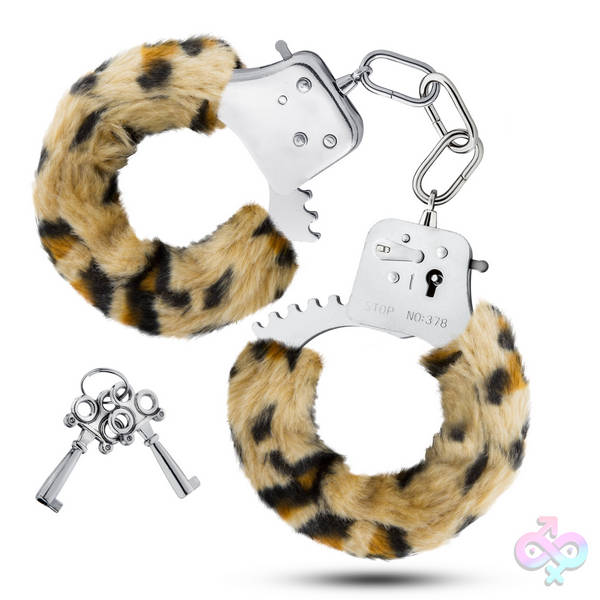

Explore, discreetly
Body-safe products, shipped in a plain brown box.
Explore Kink →



 Glass
Glass Rabbit Style
 Rechargeable
 Rotating
 Pulsating
 Suction
 Suction-Cup-Base
 Thrusting
 Vibrating
 Warming
 Waterproof

 Banana
 Cherry
 Chocolate
 Passion Fruit
 Peach
Peach Strawberry
 Watermelon
 Lingerie
 Rabbits
 Swimwear
 Female Dolls
 Lingerie
 Bath and Body
 Double Penetration
 Furniture
 Make Your Own
 Oral Sex
 Romance
 Sex Machines
 Vibrating Panties
 Anal Supplies
 Anal Expanders
 Anal Kits
 Crossdressing
 Nipple Suckers
 Sexy Teddy Bear
 Batteries
 Condoms
 Lubricants
 Sexual Enhancement
 Adult Candy
 Bachelor
 Bachelorette
 Board
Board Cards
Cards Dice
Dice Gag Gifts
 Party Games